Bonds of the Beloved: Love and Devotion in Ancient Egypt
From intimate domestic life to eternal marriage in the afterlife, these objects reveal how ancient Egyptians expressed love, commitment, and desire across three millennia.
“Artists exploring love in ancient Egypt”
Ancient Egypt left few written confessions of romantic love, yet the material record speaks clearly: couples commissioned joint funerary monuments, women and men were buried together, and household objects were decorated with the names and images of spouses and beloved family members. This exhibition draws from seals, stelae, funerary equipment, and domestic vessels to trace how Egyptians made love visible and permanent. The objects span from the Old Kingdom through the New Kingdom, showing how the desire to commemorate partnership persisted across centuries of cultural change. Some pieces name specific couples; others preserve the fingerprints of artisans who carved and decorated objects meant to bind the living and dead together.
The exhibition moves from formal declarations of marriage and partnership through the intimate domestic sphere to the language of the afterlife, with objects designed to reunite couples in eternity. Many works are small enough to hold, scaled for personal devotion rather than public ritual. Together they argue that love in ancient Egypt was not a private emotion but a social and spiritual obligation, one that required objects, names, and careful preservation to endure.
Walk through in order, 14 works.
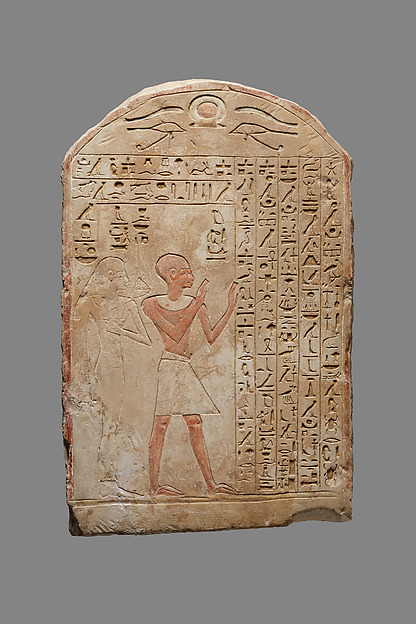
Stela of Ameny and his Wife Inet-Hapy
A limestone stela carved with both the image and names of Ameny and his wife Inet-Hapy, this monument declares their union for eternity and anchors the exhibition's opening claim that couples made partnership visible through commissioned stone.
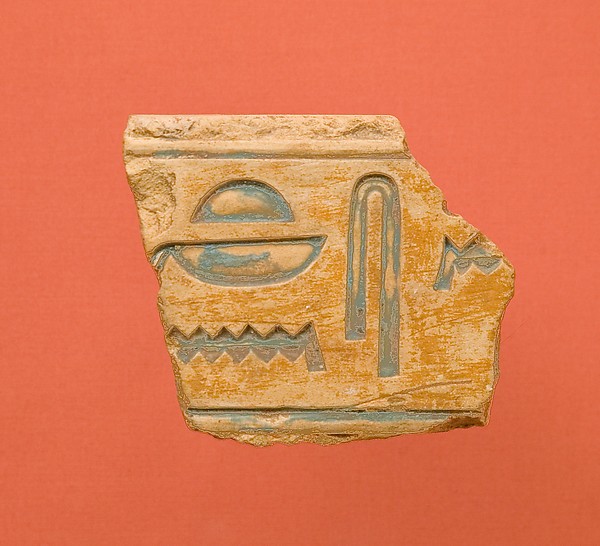
Inscribed relief fragment from the shrine of a royal woman within the temple of Mentuhotep II
A relief fragment from a royal woman's shrine within a larger temple: even in fragmentary form, this piece testifies to individual female identity being carved into sacred architecture, part of the show's broader argument about women's presence in monumental devotion.
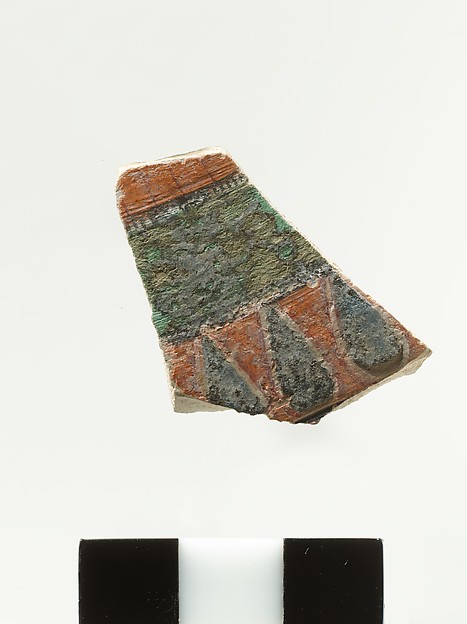
Reliefs from the tomb of Meketre
A painted limestone relief from Meketre's tomb showing domestic or funerary scene details; the preservation of color hints at the sensory richness of objects meant to accompany the dead into the afterlife.
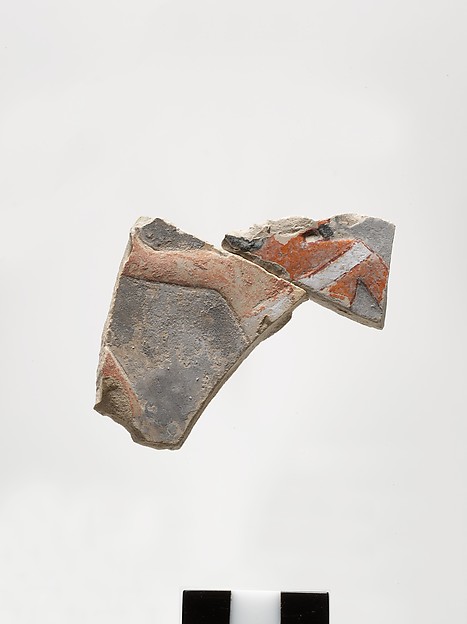
Relief fragment from the tomb of Meketre
Another fragment from the same tomb context as met-668654, its sculptural joins and weathering patterns demonstrate how tomb reliefs were assembled in registers, layering scenes of daily life and spiritual preparation.
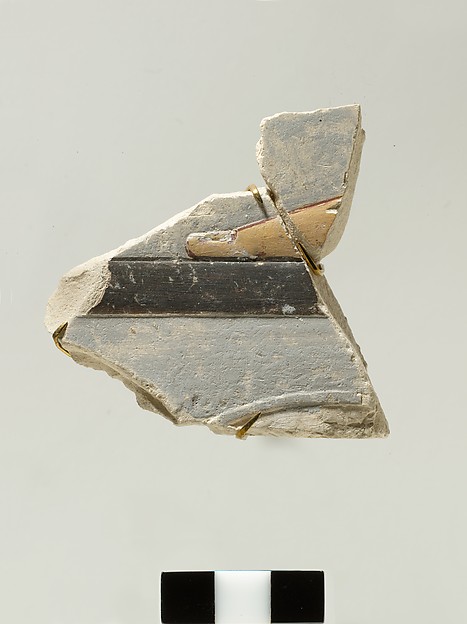
Reliefs from the tomb of Meketre
A third relief from Meketre's tomb, this piece's carved contours and pigment traces show how individual tomb chambers accumulated multiple carved surfaces, each reinforcing the deceased's identity and relationships across different scenes.
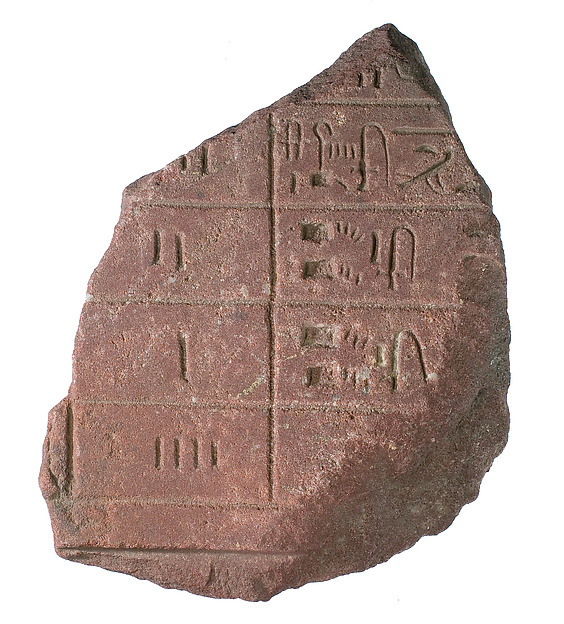
Offering list stela
A red quartzite offering list stela carved with hieroglyphic text: the choice of durable quartzite for a list of provisions speaks to the permanence intended for even utilitarian funerary declarations.
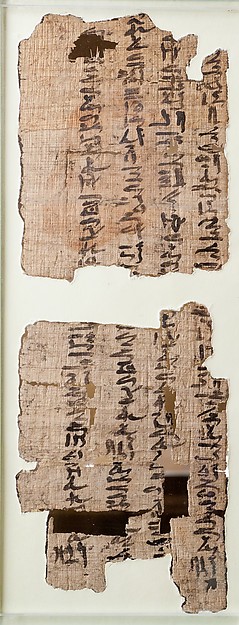
Papyrus of Sitnebsekhtu, Heqanakht Letter IV
The Heqanakht Letter IV on papyrus includes references to family members and domestic arrangements; as an actual administrative text, it grounds the exhibition's claim that love and obligation were woven through daily, documented life, not just monumental art.
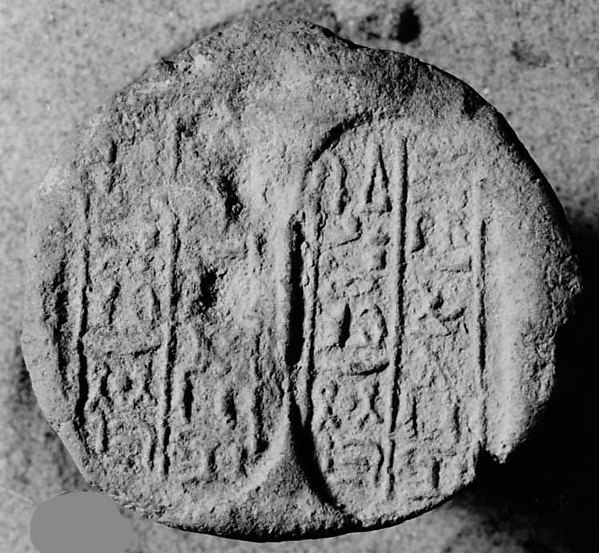
Funerary Cone of the Chief of the Merchants Tjay
A funerary cone bearing the name and titles of Tjay, a chief merchant; the cone's form (clay shaped to point downward) was designed to be inserted into tomb walls, creating a permanent marker of the deceased's identity and status in the eternal household.
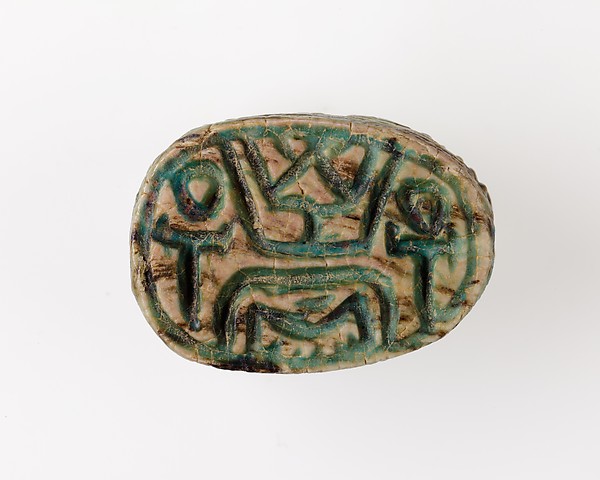
Scarab Inscribed with Hieroglyphs
A green glazed steatite scarab inscribed with hieroglyphs: the beetle form itself was believed to embody transformation and rebirth, while the carved inscription on its flat base would have been pressed into mud or wax to seal personal documents and possessions.
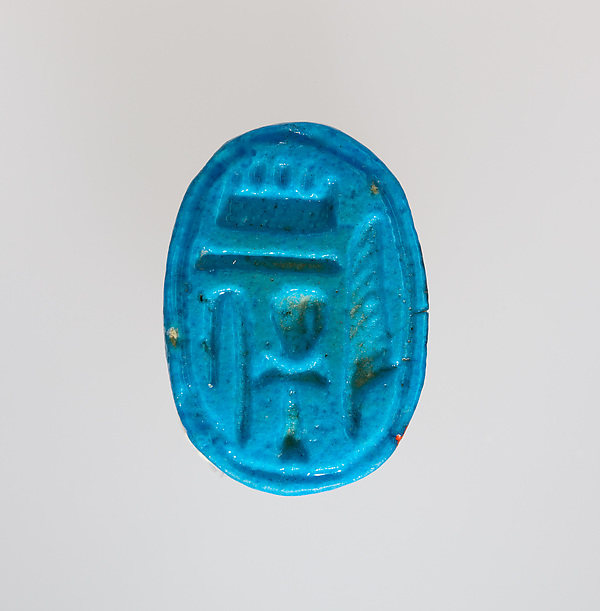
Scarab
A blue faience scarab sealing, its color and glaze creating visual distinction from unadorned stone; the careful carving of its underside shows how even small personal seals received the attention of skilled hands, making each one a minor declaration of identity.
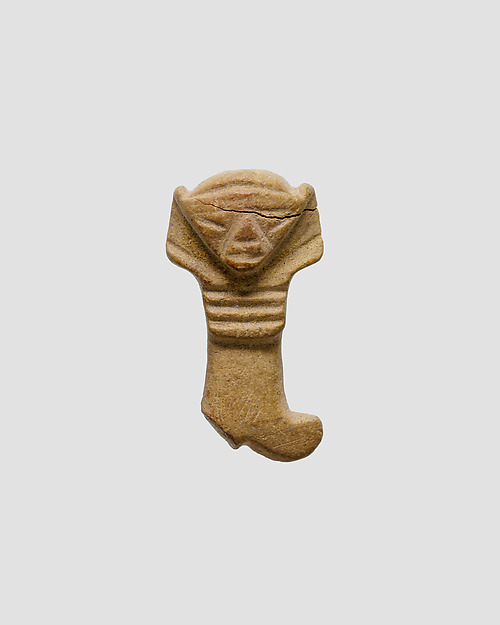
"Opening of the Mouth", Peseshkef tool amulet
An ivory or bone "Opening of the Mouth" peseshkef tool-amulet: this ritual implement, scaled for personal wear, was believed to allow the dead to eat, speak, and live again; its material and form show how love extended into the mechanics of resurrection.
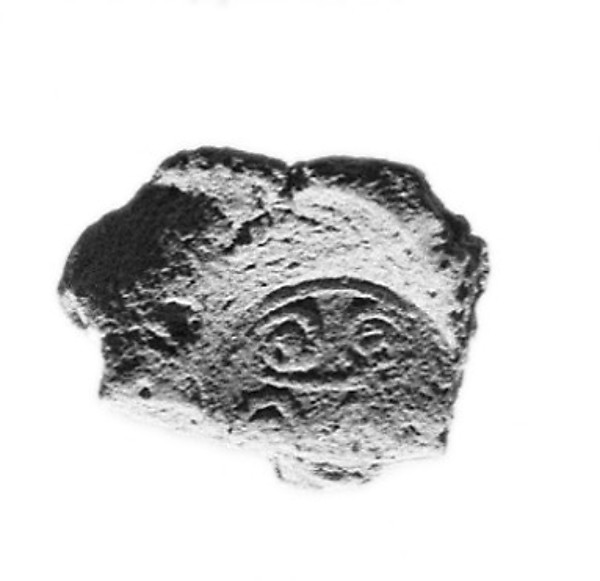
Sealing
A mud sealing from the Middle Kingdom, its impressed surface bearing hieroglyphic marks; the fragility of unfired clay transformed by pressure into a durable mark shows how Egyptians bound documents and containers with personal signatures that outlasted the paper or cord they sealed.
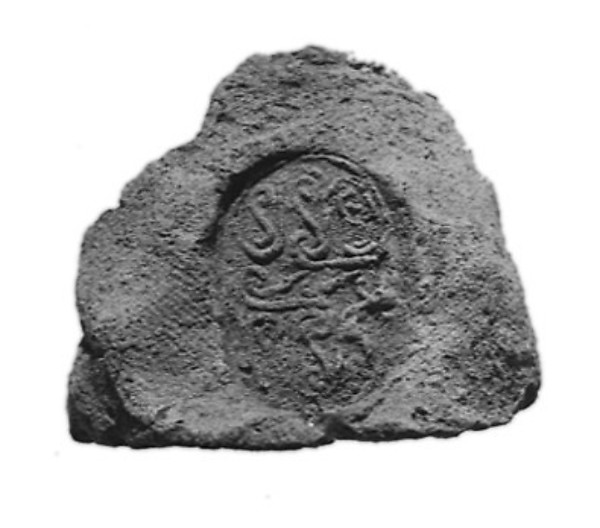
Sealing
An unfired clay sealing with hieroglyphic impressions, this work demonstrates the mechanical act of pressing a carved seal into soft clay to authenticate and bind goods or documents, a ritual of ownership repeated daily across households and administrative centers.
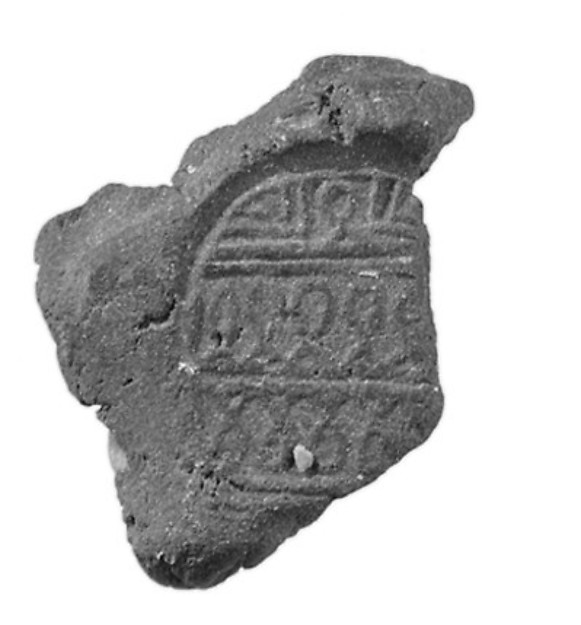
Sealing
Another unfired clay sealing with impressed text, its worn edges and partial preservation tell the story of repeated use and the eventual decay of even the most practical objects, yet the care taken in their creation speaks to their importance in binding families and transactions together.
The Review

Walk into this room and you immediately sense the weight and durability problem these objects solved. The Egyptians had a material crisis: how do you make love persist? You cannot paint a photograph of your wife on papyrus and have it survive five centuries. You cannot whisper your husband's name and have it carry forward. So you carve it. You press it. You fire it or leave it unfired and seal it anyway, betting that the clay itself, though fragile, pressed hard enough into the surface, becomes evidence.
The Stela of Ameny and his Wife Inet-Hapy dominates the room not because of its size but because of what it announces: two names, two carved profiles, one stone. It is a statement of geometry as much as devotion. The sculptor has to make them fit into the same rectangular field, has to proportion the space so that marriage becomes a formal problem of composition. The relief here is shallow, almost cautious, as if the carver knew that too much depth would destabilize the names carved between the figures. Everything is held flat, pressed into the surface, made permanent through restraint rather than dramatic undercutting.
But the real argument of this show lives in the smaller objects, the ones designed to be held or pressed or sealed repeatedly into clay. The scarabs in blue faience and green steatite are almost mechanical in their precision, yet each one shows the hand of a craftsperson deciding where and how deep to carve the hieroglyphic underside. The surfaces are polished smooth enough to press cleanly. The inscriptions on their bases were meant to be transferred onto documents, over and over, each impression a small reenactment of identity and claim. You understand, holding the idea of these objects, that sealing something was not just a security measure; it was a form of presence, the owner's signature compressed into clay that would dry and crack and eventually turn to dust, but not before serving its purpose.
The funerary cones trouble this reading slightly. These were meant to be driven into tomb walls, inserted point-first into brick so that only the rounded back remained visible, carrying names and titles of the dead into the masonry itself. The material here, pottery, is thicker and coarser than the faience scarabs. There is no pretense to fineness. The Funerary Cone of the Chief of the Merchants Tjay does its work through bluntness and repetition, its form itself a kind of nail driven into permanence. You would not seal documents with this object. You would not hold it in your hand. It is architecture, not jewelry, yet the exhibition insists, correctly, that it belongs in the same conversation about how love and obligation are made visible.
Where the show is least convincing is in its handling of the Heqanakht Letter IV. This is a working administrative document, written on papyrus in ink, its references to family members and provisions matter-of-fact, almost careless. The letter was not made to last; papyrus crumbles, ink fades. Yet the exhibition asks you to see in this document the same commitment to preserving human connection that animates the carved stone reliefs and faience seals. Perhaps that is the real insight: that love in ancient Egypt appears in both the objects made to endure and the ones made simply because someone had to record the day's transactions. The care is there in the writing either way.
The painted limestone reliefs from Meketre's tomb are technically excellent, their surfaces still showing traces of red and green pigment, their carving sharp and precise. But you notice, moving through the room, that they function almost as wallpaper here. The exhibition would be better served naming which specific scenes they depict and explaining what they show about domestic or funerary ritual. Instead, they sit as general witnesses to the painted tomb, their individual detail lost to their role as representatives of the category "relief from an elite tomb." A more aggressive curation would have isolated one or two of these fragments and dwelt on what the carver chose to include or emphasize. The remaining reliefs would have receded naturally.
The mud sealings and clay sealings at the show's end are the most physically honest objects here. Unfired or lightly fired, fragile, their impressed surfaces bearing the marks of actual seals pressed into their substance, they embody the exhibition's central claim without needing interpretation. Someone sealed something. The clay received the impression and held it. That object survived long enough for us to stand in front of it and understand that an act of authentication, a personal mark, was pressed into the world with the expectation that it would matter. The sealing's fragility is the point. It is not built to last centuries; it is built to do its work and then decay honorably. That the impression remains, worn and partial, is enough.
- +The Stela of Ameny and his Wife Inet-Hapy opens with genuine formal clarity, demonstrating how Egyptian carvers solved the problem of fitting two identities into one monument.
- +The progression from large monumental stelae to intimate seals and scarabs creates a real spatial and conceptual journey through scales of devotion.
- +The unfired mud and clay sealings are physically honest about the fragility of love's material evidence, resisting any temptation to sentimentalize preservation.
- –The painted limestone reliefs from Meketre's tomb function as undifferentiated background rather than examined objects, their individual carving and pigment details lost to their role as category representatives.
- –The exhibition does not adequately explain what most of the papyrus and administrative texts actually say, treating documentation as evidence of emotion rather than exploring what the documents themselves claim.
- –Several objects (particularly the faience scarab and green steatite scarab) lack clarity about whether they were actually used for sealing, funerary purposes, or personal display, creating ambiguity about their original function and intention.
Curious what another critic would make of this show?